
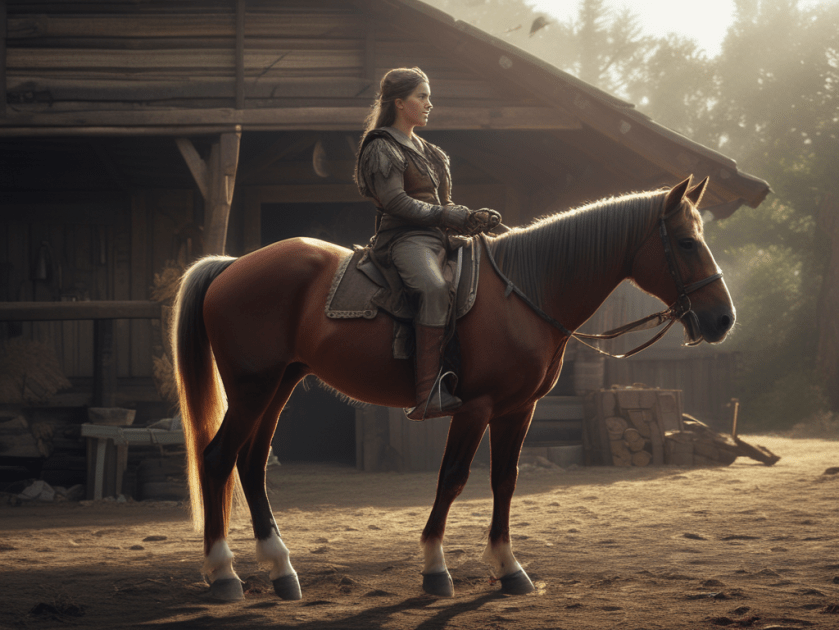
A vital part of any story is having at least one chacter with whom your readers/viewers can relate/connect to. Fundamentally, character can be understood in terms of two aspects:
Descriptions
The first aspect of a character is their description. You learn about a character in three ways:
- What the narrator and other characters say about them
- What they say about themselves
- What they do
While there are a number of physical characteristics that can define the basic looks of a character, no one (generally) has control over these; we’re all born and look how we look. Some details to point out might be specifically alterations to the body or their sense of style, which might give a hint at life habits, history, or persona. Is the character overweight or muscular, giving some hint as to diet and exercise habits? Do they have a hideous scar over their lip, suggesting some conflict in their past? Do they dress neatly and with an attention to modesty, or do they wear bright colored clothing with holes and tears in them? All of these are details a narrator might give you, but a narrator is unlikely (if the work is well written) to just give a list of characteristics or to connect all the dots for the reader.
That’s where the other characters come in. Characters talk about characters; what they say likely reveals a lot about their attitude about their subject. Remember the opening of Disney’s Beauty and the Beast in which the whole town sings a song about how weird Belle is? AND she sings about how awful they are? It’s where we get a sense that Belle is an outcast: they think she’s odd because she reads and she thinks they’re all boring.
For the other two ways of discovering aspects of character, let’s move on to the second aspect of character:
Desires
What makes a character multidimensional is whether or not they have desires. What makes a character worthy of a story are the obstacles between themselves and these goals.
Characters don’t usually waste a lot of time talking about themselves unless they’re meeting someone new or they feel misunderstood and are defending their actions. Meeting someone new is a great way to introduce a character and what they think about themselves, even if it can be trite if done incorrectly. This can be a way to allow a character explain who they think they are and what their goal is. Ted Mosby from How I Met Your Mother describes himself as a hopeless romantic several times and is constantly searching for the love of his life. We actually get to see him explain aspects of his life over the course of all the dates he has. What is especially interesting is when the things he says don’t quite line up with what others say (conflict!).
The last way we learn about characters is by what they DO. To continue picking on Ted, one of my favorite episodes is when he goes out on a date with a woman he had dated before and she more or less tells him he was awful before; he takes her out to try to prove her wrong AND because he wants to give love a chance. Spoilers: he proves himself to be awful to her again. Ted says he’s a good person. He has some good friends (and one terrible one). His former flame tells him he was awful. He refutes it, but ultimately proves her RIGHT! We as the audience learn a lot about Ted’s character during this ordeal.
But perhaps the most important thing to take away from the descriptions of Ted is that he gets in his OWN way to his goal. He can be smart and charming, but he can also be immature. While the show could have ended at almost any point, the audience gets the idea that finding love is both about finding the “right” person AND being the “right” person for them (including being mature enough).
Bonus: Archetypes
There are some characters who have an almost shorthand to their looks and persona. They’re so familiar that when we see them in a story, we almost instinctively recognize who they are. It’s because they’re an archetype.
Think of archetypes as cookie cutter characters. Each writer will have their own details for their cookie, but these kinds of characters play the same role in each story. Think of the Wizard archetype. While this role often comes with magic, it is only required that the character be particularly wise and helpful to the protagonist. Gandalf in Lord of the Rings, Dumbledore in Harry Potter, Obi-wan in Star Wars, etc.
While archetypes are often considered bad, they can be a short hand to get a character started. Adding interesting descriptions, especially things which break the mold, and desires can make the character much more worth while.
Thank you for reading!
I hope you enjoyed the post and maybe learned something! If you did, consider donating to keep the blog running. Best wishes!
 Storyscribe