
So far, I have covered that there are three aspects to the act of storytelling, three aspects of rhetoric, and now, finally, I’m getting to what actually makes up a story.
It may not surprise you that I boil it down to three parts: Setting, Plot, and Characters.
Unlike the past concepts, this cannot be contained into a single blog– plot and characters cannot even be contained by one each.
So we’ll go into the easiest of the concepts: Setting.
What is Setting?
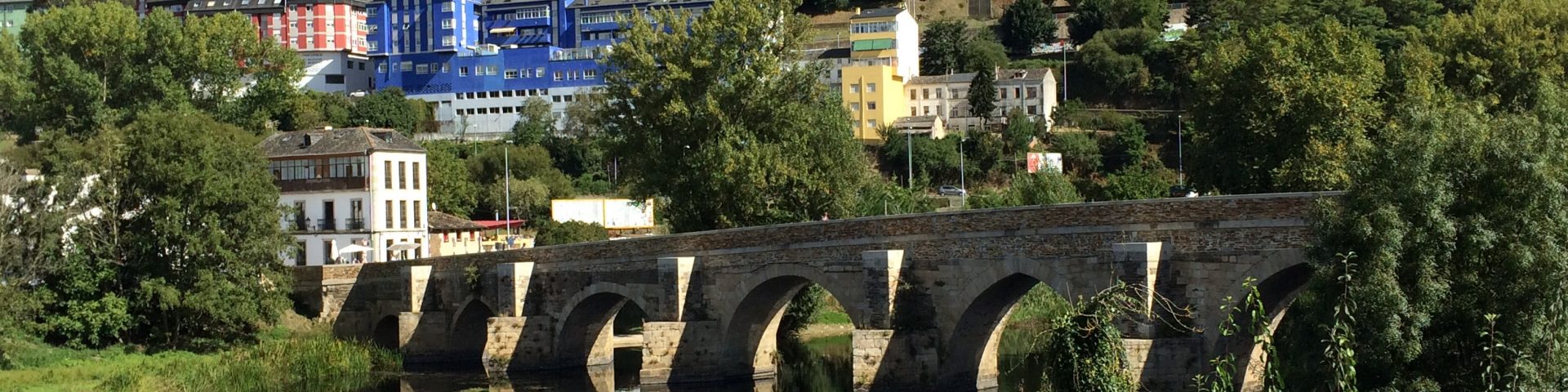
A lot of people who describe setting only describe where a story takes place– but they are missing the other half of what makes a setting: when a story takes place.
Setting is the unity of time and location for characters as the plot of a story unfolds.
Setting and Genre
The setting of a story tells a lot about what the reader can expect in terms of genre almost immediately. While not hard and fast rules:
- If it takes place in the American West during the late 1800s, it’s a Western.
- If it takes place in a medieval kingdom, it’s either a fantasy or historical drama. (Check for elves).
- If it takes place in a small town, it’s either a romance or a mystery (could include a supernatural mystery).
- If it takes place in a city, it’s a crime novel, mystery, or romance. Also, if it takes place in a city, that city is either New York or London. There are no other cities of note according to 90% of writers, with the small exception of Paris.
While I’m joking about some of this, the opening often sets up (and SHOULD set up) the time and place of the story; the decisions around where and when a story is set begins to create expectations for the audience about the kind of story they’re likely to read.
Setting a Story in the Near-Present
I have no data to back this up, but I’d say that 25% of stories are written as set in the near-present– meaning that if a writer sat down to write in 2023, they set their story in 2022 or 2023. These stories are also based in a location the writer is aware of. It could be based on real life or not, but the beauty of a near-present story in a real place is that the writer is almost certainly writing what they know. (A writer who is writing what they don’t know in this case is going to find themselves in some trouble.)
What divides most stories as literature from the chaff is the dealing with themes– what the author is trying to say. (I’ll go into WAY more detail on that later.) It is little wonder that stories set in the near-present to the time of writing often deal with the problems of the near-present day. These works offer a window for us into the lives of our contemporaries and those who walked the earth a hundred years ago.
And when we consider location in this, we get a variety of problems authors could be discussing. If we’re reading a novel about being a woman in Saudi Arabia we’ll be getting a very different view to reading a novel about being a woman in the U.S.
Setting a Story in the Livable-Past
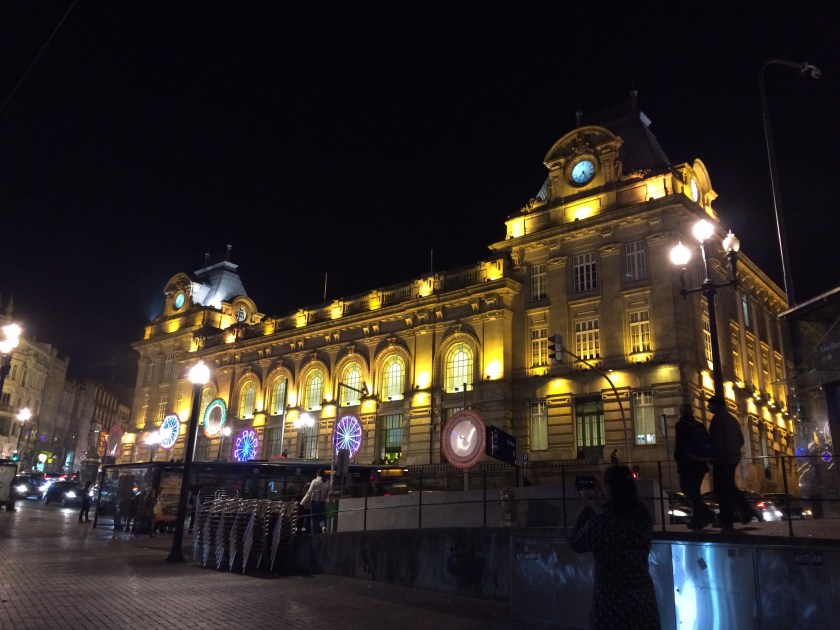
Let’s say this second kind of time setting takes up another 25%. These stories take place in a remembered and rememberable past– likely within the last 80 years (since the average lifespan in the US is 79 years for women and 73 years for men). Memoirs are commonly set in this kind of remembered frame of time. Many of these stories are likewise in a real place in which the writer is writing what they know.
Similar to near-present stories, they often deal with the problems of that time and place– but with the added benefit of hindsight. Though To Kill a Mockingbird is fictional, it is primarily set in a little town in the American South during the girlhood of Scout– but it is told from the perspective of an older woman (a woman living through the Civil Rights Movement). Though the Civil Rights Movement isn’t called attention to (as it hasn’t happened in the timeframe of the story), it is obvious that these events taught Scout a great deal about the evils of racism and that she takes those lessons forward.
Setting a Story in the Absolute Present?
Before we go on, let’s have a couple questions:
What if a story is written as if it is happening in the present? Is it set in some kind of “absolute present?”
This isn’t really a thing. Whether a writer chooses to use the past or present tense to tell their story, the story is set in a time and place; it will not evolve in its understanding of Boston, even as Boston changes.
A beautiful thing to consider while writing about a work of literature (or other media) is that the ACT of writing is in the past tense (that’s how you got the book), but that the STORY is ONGOING– it is happening whenever it is read. That is why you always use the present tense when discussing literature. Dimmesdale IS showing us something right now, right as we read him, no matter how much time has passed since Hawthorne put pen to paper.
Setting a Story in the Historic Past
Let’s say another 25% of all stories are set in the historic past– a time that no one can really remember because everyone is dead. This is the first time setting that distinctly NEEDS the author to do research. While the other times may need additional research to cover places the author isn’t familiar with or topics the author doesn’t know as well, the historic past surely hits the jackpot for the need for historical research.
And these stories often also add elements of hindsight, of an author’s voice giving rhyme and reason to why this story must be told to the current generation when it is set in a time so far before it. Shakespeare wrote plays about monarchs which were in the historic past even in his time. Why? I’m sure some academics would have differing answers, but it may be for two reasons:
- To comment on the dynamics of power
- To unify a populace around a national identity (especially a theme in Henry V)
But we still set stories in the historic past. Why? Some of the same reasons. We illuminate how a person raised themselves out of obscurity by inventing something world-shaking. We want to see how the powerful struggled in times of adversity. We want to know where we came from in order to see how far we have made it.
Setting a Story in a Realistic Fictional Place
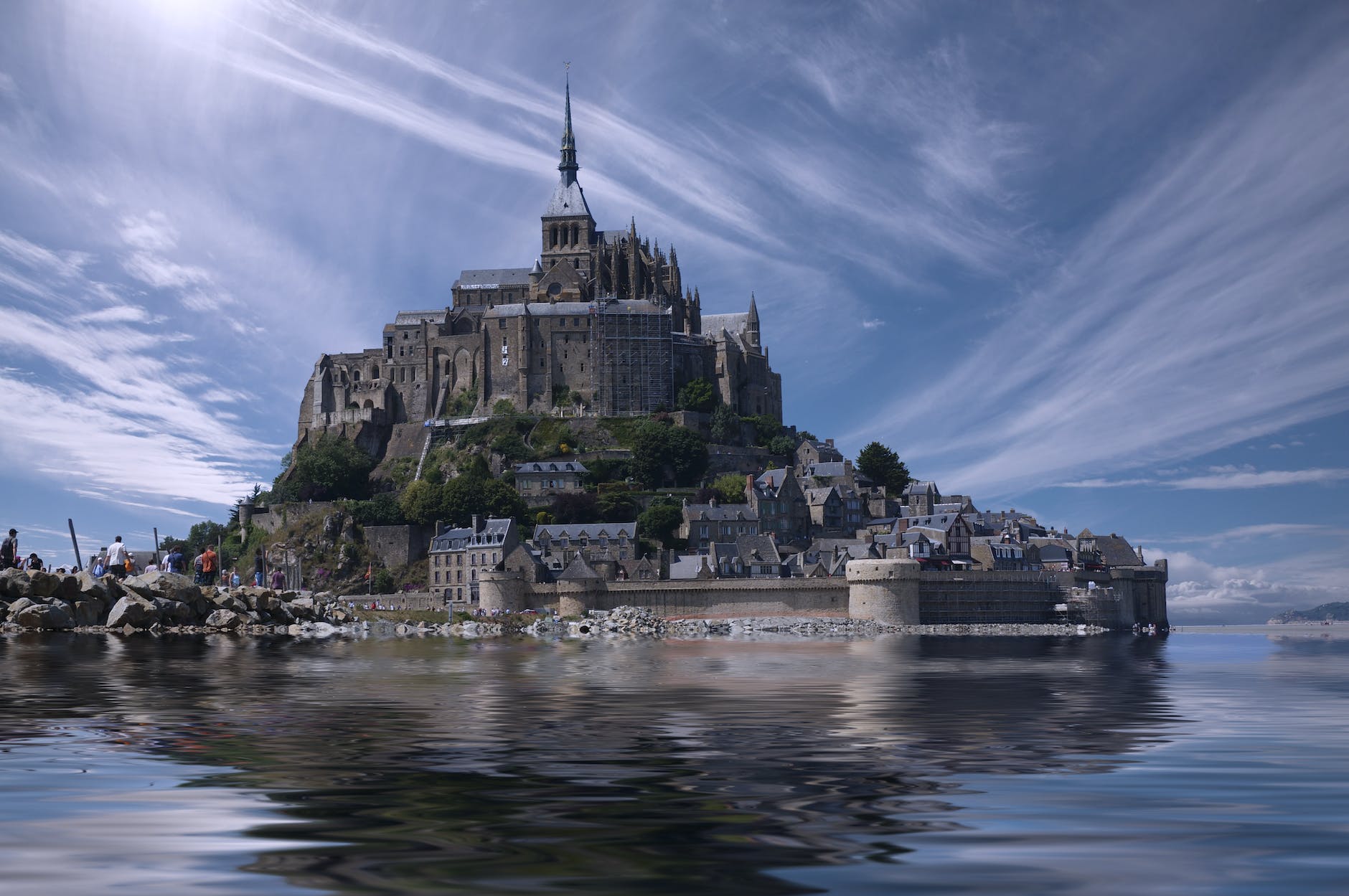
But there are also stories which are set in the real world, but which are set in a fictional place. How does this work in setting a story?
I would argue that realistic fictional places are created in order to do one of two things: obfuscate the truth or become an “every-where.”
Sometimes it’s best to hide true events behind a layer a fictional veneer. I mentioned Harper Lee’s To Kill a Mockingbird earlier; that work is set in Maycomb, Alabama. That town doesn’t exist. It is based on her hometown of Monroeville. For reasons apparent in the novel, Lee may have felt that having that slight distance allowed for a more comfortable storytelling.
The other option is that the little town is trying to stand in for every little town that might be like it. The fictional place isn’t trying to stand in for a real location, but trying to pull a variety of stories together. An example of this that comes to mind (that is not literary) is Cabot Cove from Murder, She Wrote; it doesn’t matter that Cabot Cove isn’t real because it is simply a backdrop for the series of mysteries. It is trying to evoke the idea of the “little New England town” without actually chosing one. (Plus it would be bad publicity for, say, Greenville, Maine if a hit show made it seem like every fifth person who comes to visit or live there dies mysteriously.)
But I’m sure that differs by author.
Setting a Story in a Time that Never Was and a Place the Doesn’t Exist
And now we’re left with the last 25% of stories– the fantasy and science fiction set primarily in places which do not exist or times that haven’t happened (yet). I plan to go into fantasy a lot more later, but for now take this quote from Dr. Brian Attebery:
As soon as it is announced that the world we are reading about bears no relation to our world, we begin to make connections.
Strategies of Fantasy (67)
The distance placed by setting a story in a fantasy land or a science fiction future (or galaxy far far away) begins to immediately cause your audience to search for the similarities. Though this may be dismissed in certain circles, the true power of speculative fiction (the term that encompasses fantasy and science fiction) is in this distance.
It may be hard to talk about racism in the real world, but the Dragon Age games have shown a surprising depth in which a video game can discuss aspects of race and racism with how elves are treated.
Thank you for reading!
If you found this post educational or interesting, hit like, subscribe, and share! (Those things really help blogs like mine out.) Also, consider hitting the Support Me button at the top of the page. Every little bit honestly helps.
 Storyscribe